

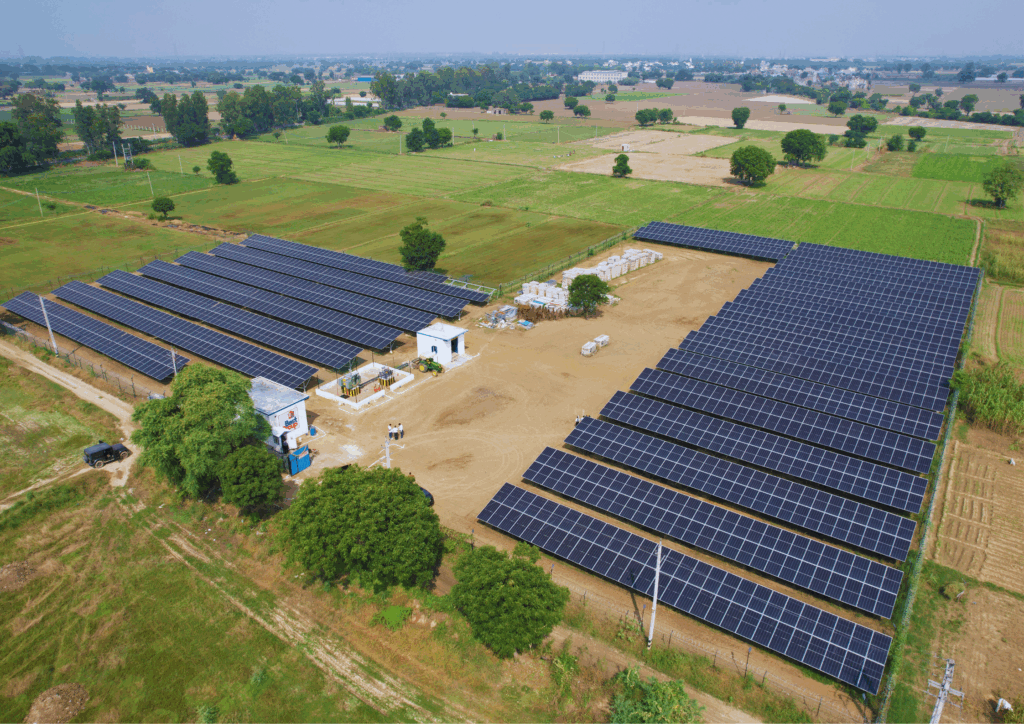
The demand for renewable energy—also known as green energy or clean energy—is growing day by day in India, and solar power is leading the way. Are you considering it? Do you want to get rid of high electricity bills and frequent power cuts? Or are you someone who is concerned about the environment? If yes, then solar energy could be a great option for you. But wait—before making the switch, it’s important to understand solar energy properly and check whether it’s the right fit for your roof. Are you planning to install solar for your home? If so, are you aware of the top five things you should know before switching? In this article, we will cover the five major factors you must consider before investing in solar.
We all know that the sun’s energy can be converted into electrical energy, which is called solar energy. However, the crucial question remains: is your home suitable for solar energy? Can your roof generate sufficient electricity?
Anyone considering solar for their home should definitely think about these points. And if you haven’t considered it yet, it’s time you should.
The very first thing we should check is whether our roof is a perfect fit for solar installation, because the harsh reality is that not every roof is ideal for it. There are multiple factors that determine whether your roof is suitable for solar panels or not. For optimal efficiency, your roof must be structurally sound enough to support the solar panels and should receive direct sunlight for a minimum of 5 to 6 hours each day. A shaded roof or one with limited space may reduce power generation, and in some cases, it may not generate sufficient electricity at all. That’s why having a professional installer check your home’s compatibility is important before installing solar at your space.
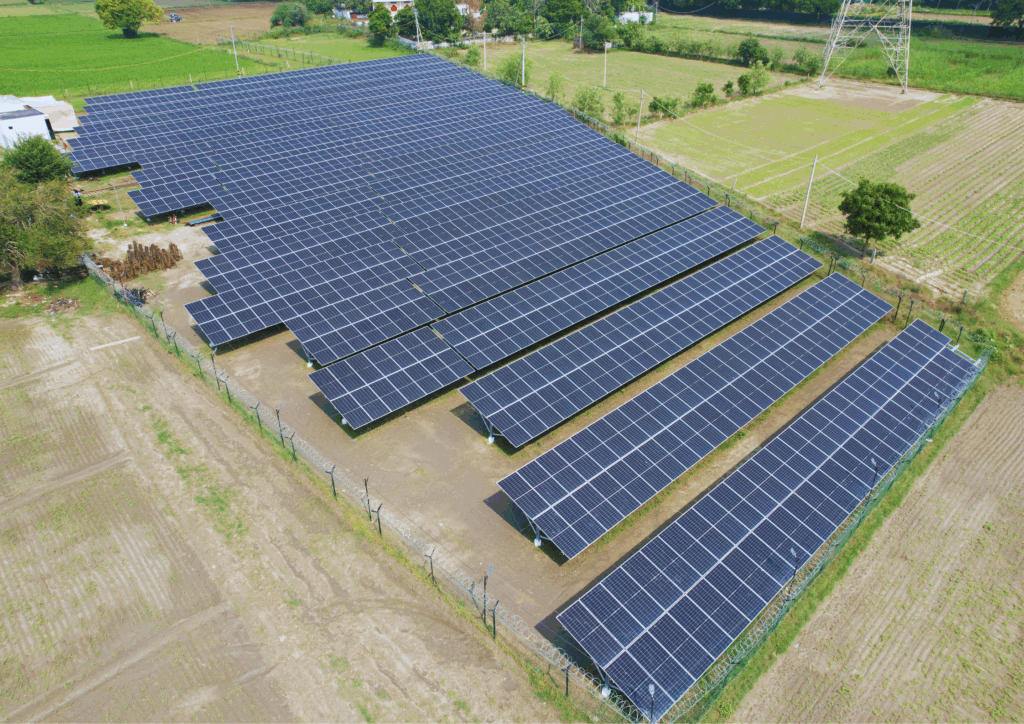
Choosing the right solar installer is one of the most important decisions in this process. Companies like Boundless always inspect your roof through their site survey before suggesting solar solutions, ensuring that you get the maximum benefit from your solar system.
Before purchasing a solar system, do you assess the size of the solar panel system you need? Firstly, you have to analyze your average electricity consumption—how much energy your home consumes every month—and then finalize it. On average, a small house may need one kilowatt of solar panels, and if you are planning to install a 3-kilowatt panel, make sure to check your electricity consumption first and choose the right capacity for your home.
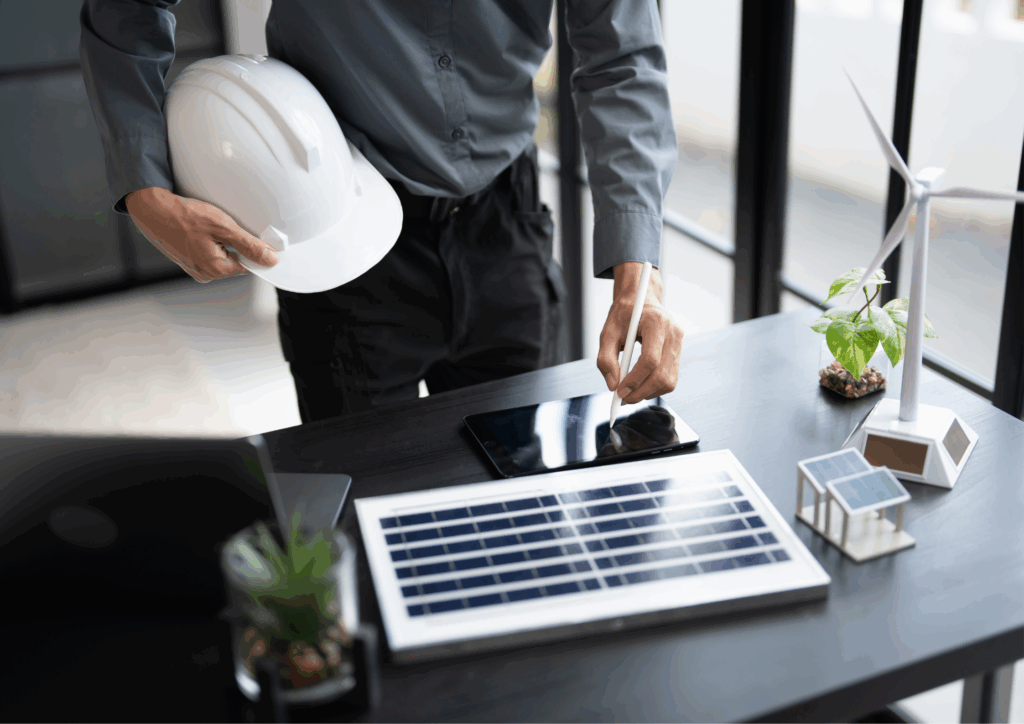
You do not need to calculate all these things by yourself—just contact Boundless, and our expert team will suggest the perfectly required capacity for your home.
The home solar cost depends upon the size, brand, and type of system you install. Like, For example, if we talk about the price of a 1-kilowatt solar panel in India, it can vary from ₹70,000 to ₹100,000, and the price of a 5-kilowatt solar system can vary from ₹3 lakh to ₹4 lakh. It is dependent on location and the type of solar panel you require. But does it really cut your electricity bill or not? The question is that maybe it feels like the solar panel system installation price is high, but it’s not that much—it’s just an initial cost, which is counted as an investment. After 3 to 5 years, you will get the ROI, and the electricity bill will almost become zero, and then you can enjoy 20 to 25 years of free energy.
When switching to solar, it’s important to think about the maintenance and lifespan of the system. Solar panel durability is a very important concern. Usually, solar panels last for 20 to 25 years with minimal maintenance. However, you need to clean them regularly to remove dust and dirt so that their efficiency is not affected.
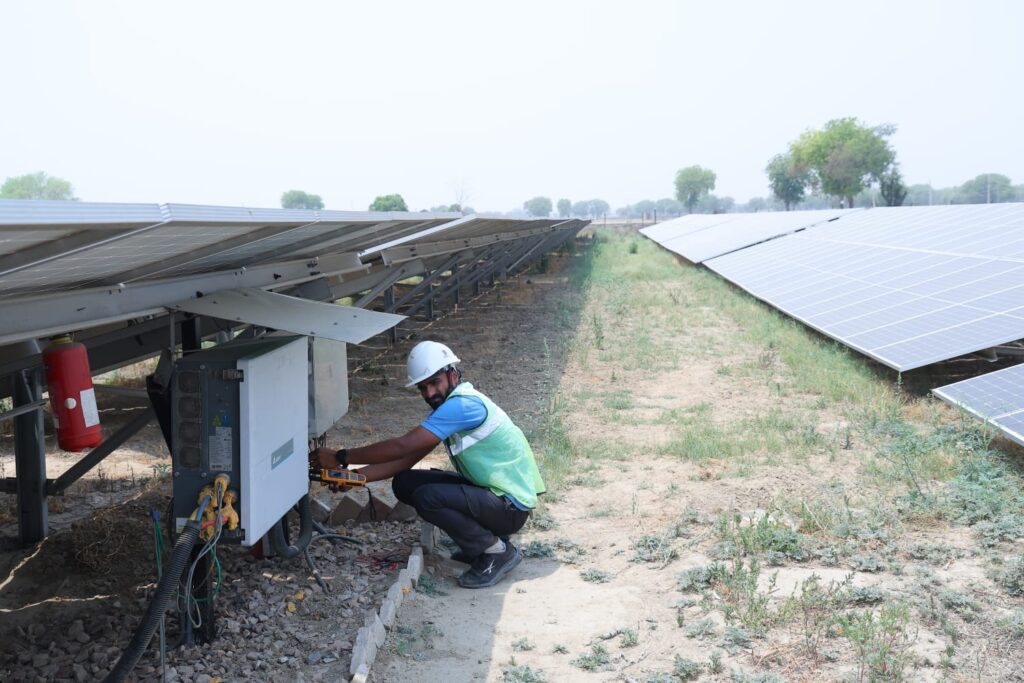
The solar inverter generally needs to be replaced every 8 to 10 years, and if you are opting for an off-grid system, you will also require batteries that have their own lifespan. So, choosing high-quality panels and reliable brands like Waree Solar, UTL Solar, or similar ensures better performance and a longer life. Installers like Boundless, who focus more on quality rather than quantity, help customers get maximum benefit and long-lasting results from their solar systems.
Not every home needs the same type of solar system, as there are multiple choices available. You need to figure out which solar system type is best suited for your home.
On-grid systems are connected to your electricity supply, enabling you to take advantage of net metering. On the other hand, if we go for off-grid systems, they work independently and store the energy in batteries.
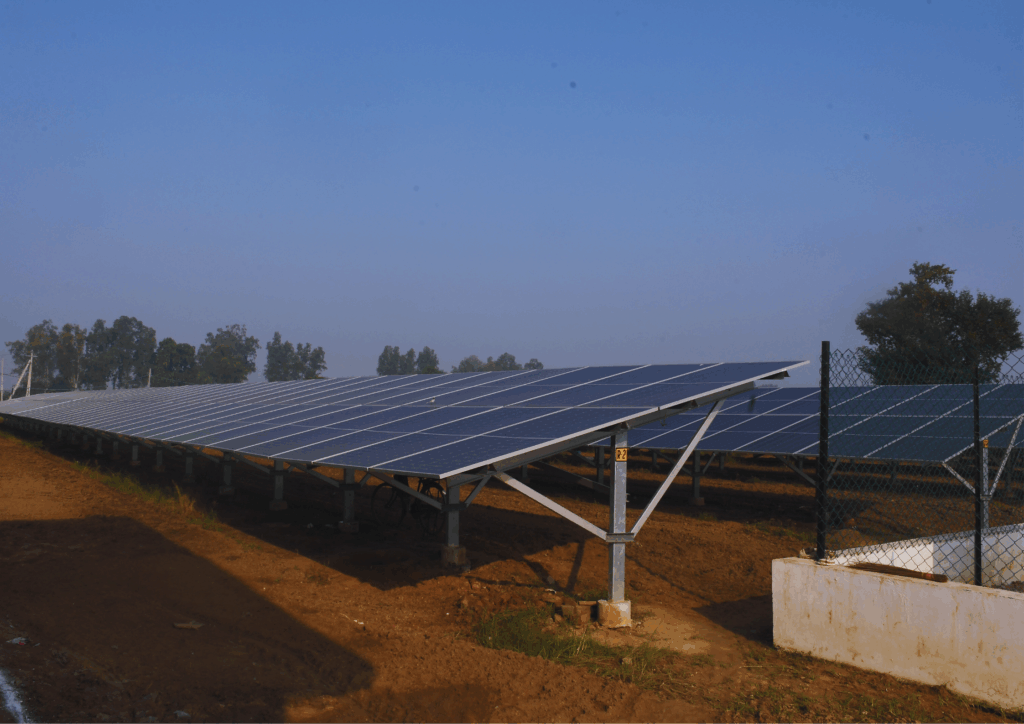
A hybrid system is a combination of both on-grid and off-grid.
So choosing the right solar system type depends on your energy needs, budget, and location.
Looking at solar for your home is not just about minimizing your electricity bill—it’s about making a smart investment for both your future and the planet. Before switching to solar, make sure you understand every important factor. Check if your roof is perfect for solar installation, analyze what your energy needs are, know the price of the solar system and which type you need, be aware of maintenance requirements, and choose the right expert solar installer. Remember, this is not a decision you take for just one or two years—it’s a commitment for the next 20 to 25 years.
Boundless empowers India with reliable solar energy solutions—making clean, affordable, and sustainable power accessible for homes and businesses.
Delivering end-to-end solar solutions — from design and installation to maintenance and performance monitoring.